Sections in this blog post
What is an elopement in today’s wedding world? If you are asking what is an elopement, you are likely trying to sort through wedding terms that now mean very different things. Today, an elopement usually means a small, intentional wedding experience built around the couple, not a secret runaway marriage.
The old elopement definition focused on couples sneaking away without telling family. That idea still exists in pop culture, but it no longer fits most real weddings. A modern elopement is often planned with care, a set budget, and a clear vision for the day. It may include travel, photos, a meal, and even a few loved ones. Some couples choose it because they want less stress, lower wedding costs, or a more personal way to marry. This guide explains the meaning, legal steps, guest options, and planning basics so you can decide if this style fits you.
To make that choice, it helps to see how elopements work today and how they compare with other wedding formats.

What is an Elopement and what does it mean today?
An elopement now centers on the couple’s priorities rather than a fixed wedding script. In plain terms, it is a wedding that stays small, flexible, and personal.
In the eloping vs wedding comparison, the biggest difference is scale. A traditional wedding often serves many guests and follows a full event timeline, while an elopement keeps the focus on the ceremony and the wedding day experience itself. That can mean a sunrise vow exchange, a city hall signing, or a quiet dinner after a short ceremony. An intimate wedding or small wedding may overlap with this style, but those events often keep more standard wedding pieces, such as a larger guest count or full reception. A micro wedding guide usually sits in the middle, with a small guest list but more of the structure of a standard wedding. For a deeper look at how the meaning changed, our guide on the changing definition of elopement shows how the term evolved over time.
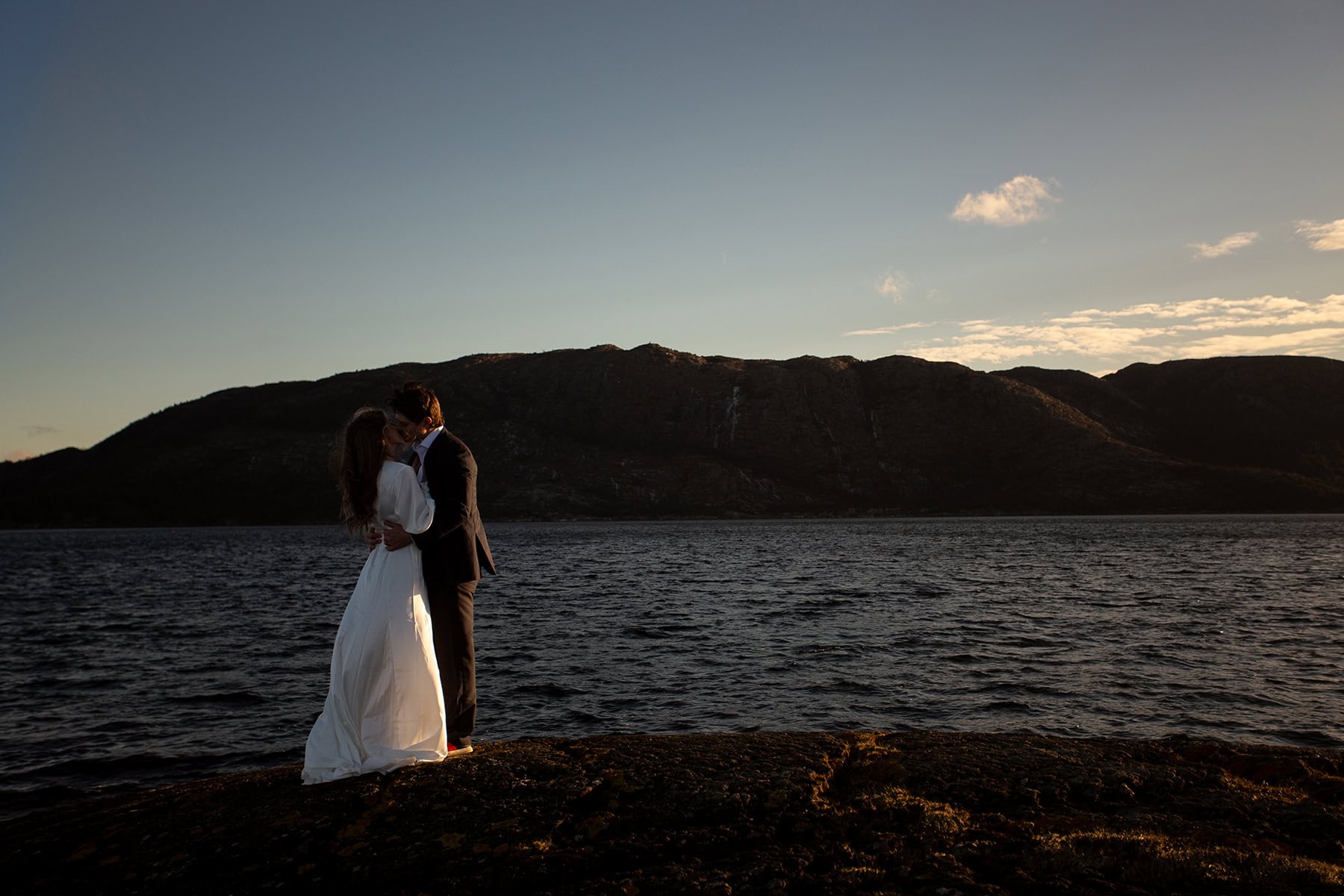
A destination elopement or adventure elopement can fit this style, but neither is required. You can elope on a mountain trail, at a courthouse, on a beach, or in your own backyard.

What happens during an Elopement ceremony
An elopement ceremony is often simple, but it still feels like a real wedding. Understanding what an elopement ceremony can be helps couples see that the day can be quiet and relaxed while still holding the moments that matter most.
Many couples start with getting ready in separate spaces, then meet for a first look or private walk before the ceremony. The elopement ceremony itself may include welcome remarks, vows, a ring exchange, and the legal signing. A wedding officiant often leads the ceremony, especially in places that require one for a legal marriage. Some couples invite no wedding guests, while others bring parents, siblings, or a few close friends. Without a large crowd, the ceremony often feels more open, emotional, and easy to customize into a truly meaningful ceremony.
Common ceremony choices
- Personal vows
- Ring exchange
- A short reading
- A first look before the ceremony
- Private time after the vows
In some states or countries, a self-solemnizing ceremony is allowed, which means the couple can marry without a wedding officiant. Couples also build in small adventures, such as a scenic hike, boat ride, picnic, or sunset portrait session. That flexibility is part of why many people choose to elope.
Once the ceremony vision is clear, the next step is making sure the legal and planning pieces line up.
Legal steps and Elopement planning basics
The emotional side of an elopement is simple, but the legal side still matters. Every legal marriage must follow local marriage laws, and those rules can change by state, county, or country.
Most couples need a marriage license, and some places also require witnesses or a registered officiant. Waiting periods can range from same-day issuance to several days, so timing matters. Your elopement location affects more than scenery because local rules may control permits, ceremony spots, guest limits, and vendor access. Basic elopement planning usually includes picking a date, checking legal rules, booking travel, and hiring only the vendors you truly need. Many couples still choose photography, flowers, hair and makeup, and a meal reservation, but skip large venue packages and major decor.

How location affects the plan
The right location should fit both your style and the legal requirements. A dramatic view is great, but access and rules matter just as much.
A destination elopement often needs extra planning because travel delays, lodging, and local documents can affect the timeline. Public lands may require permits, and some parks limit ceremony size or vendor activity. Weather, road access, and privacy should guide your final choice, especially for outdoor events at sunrise or sunset. This breakdown of what counts as an elopement can help you compare formats before you book.
With logistics in place, most couples then ask the practical question: how much will this cost, and who should be there?

Costs, guests, and the trade-offs to weigh
For many couples asking what is an elopement, cost is one major reason to consider it, but price is not the only factor. The bigger question is how you want to spend your money and energy.
Wedding costs for a traditional wedding often rise with guest count because food, rentals, seating, favors, and venue space all scale up fast. An elopement usually cuts those expenses, letting couples spend more on travel, photography, attire, or a special meal. Learn more in our detailed elopement cost breakdown. That said, a remote adventure elopement or luxury destination plan can still cost a lot if flights, permits, guides, and lodging add up. Choosing to elope with guests works well when you want a very small circle but do not want a full event for 80 or 100 people. If sharing the day matters most, a small wedding or micro wedding may fit better than a private elopement.
Think about these trade-offs before you decide:
- More guests usually mean more logistics and higher costs
- More privacy often means a calmer timeline
- Travel can replace venue costs, but not always reduce the total
- A smaller day can still feel full and special
Those trade-offs lead to a simple final question: what kind of day feels most like you?
A simple way to decide what fits your day
Many couples choose an elopement because they want a wedding that feels calm, personal, and true to their relationship. Others want to avoid the pressure that can come with a large event.
When deciding what is an elopement style that fits you best, consider your budget, guest list, location goals, and comfort level with attention. If you want a private day with a few key moments and less structure, an elopement may be the right fit. If you want family present, shared meals, and more wedding traditions, a small wedding or micro wedding may serve you better. A modern elopement can still be fully legal, thoughtfully planned, and deeply emotional. The right wedding style is the one that matches your values, not outside expectations.
Frequently Asked Questions
Is an elopement a legal marriage? Yes, it can be. As long as you follow local marriage laws, secure the right paperwork, and meet witness or officiant rules, an elopement can create a valid legal marriage.
Can we have guests at an elopement? Yes. Many couples elope with guests, especially parents, siblings, or a few close friends. The guest count just stays very small compared with a traditional wedding.
Do we need a wedding officiant for an elopement? Often yes, but it depends on the location. Some places require a wedding officiant, while others allow a self-solemnizing ceremony without one.
How is an elopement different from a micro wedding? An elopement is usually more private and less structured. A micro wedding is still small, but it often keeps more traditional wedding elements, such as a fuller guest list, set venue, and reception.
Is eloping always cheaper than a traditional wedding? Usually, but not always. Costs depend on travel, the elopement location, vendors, permits, and what matters most to you on the day.

hi, i’m julia billing
The quiet anchor of your wildest moments.
I’m based in the Nordic wild, guiding introverted couples toward spaces where their love can simply breathe.
I don’t just photograph elopements—
I guard your wedding day energy. I design and protect a hushed, pressure-free experience where the noise of the world is replaced by a deep, honest stillness.
I want to help you strip away the performance and create a day where your peace is the priority—one where the only audience is the wild.
Leave a Reply